
Eye Health
Natural Eye Health Support for Professionals Over 40
Protect your eyesight with practical food and lifestyle habits that fit a busy workday.
Long hours at a screen can leave your eyes tired, dry, blurry, and irritated before the day is over. Add the natural vision changes that often begin in your 40s, and it is easy to feel unsure about what your eyes need next.
At The Food Wisdom Hub, we help adults and professionals protect their eyesight naturally as they age through simple, evidence-informed nutrition and daily routines. No extreme protocols. No confusing supplement claims. Just clear guidance you can use in real life.
You are in the right place if you:
- Feel eye strain, burning, dryness, or headaches after screen-heavy work
- Notice blurred vision or difficulty switching between screens and small text
- Worry about aging eyesight, reading glasses, or long-term vision decline
- Feel confused about which foods and supplements actually support eye health
- Want practical routines you can follow without disrupting your workday
Your Eyes Are Working Harder Than You Think
Modern professional life asks a lot from your eyes.
You read emails, review reports, move between screens, attend video calls, scroll on your phone, and focus on small text for hours at a time. By mid-afternoon, your eyes may feel tired, dry, heavy, or unfocused. That discomfort is not a personal failure. It is often a sign that your eyes need better support throughout the day.
01
Daily eye comfort
02
Nutrition for long-term eye health
03
Clear decision-making
A Food-First Approach to Aging Eye Health
Your eyes are part of your whole body. They rely on healthy blood flow, steady nourishment, hydration, protective nutrients, and regular care.
The National Eye Institute recommends healthy vision habits such as getting dilated eye exams, knowing your family eye-health history, eating a healthy diet, maintaining a healthy weight, protecting your eyes, and giving your eyes regular screen breaks.
A food-first approach helps you build daily habits that support your eyes over time.
At The Food Wisdom Hub, we help you make those principles easier to apply with:
Simple meal ideas for busy workweeks
Practical food swaps for eye-supportive nutrients
Desk-friendly habits for eye strain and dryness
Clear guidance on what is worth your attention — and what is not
The 3-Minute Desk Reset for Tired Eyes
When your eyes feel tired, dry, or unfocused, you do not always need a long break. A short reset can help you interrupt the strain cycle.
Try this routine during your workday:
01
Look away from your screen
02
Blink slowly
03
Relax your focus
04
Check your screen position
Want a simple daily plan for screen-heavy workdays?
Foods That Support Healthy Aging Eyes
Nutrition cannot replace eye exams or medical care, but it can support the tissues and systems your eyes depend on.
A balanced, colorful diet is one of the most practical places to start. Eye-health organizations commonly highlight foods rich in nutrients such as lutein, zeaxanthin, vitamin C, vitamin E, zinc, and omega-3 fatty acids as part of an eye-supportive eating pattern
.
Add these foods more often
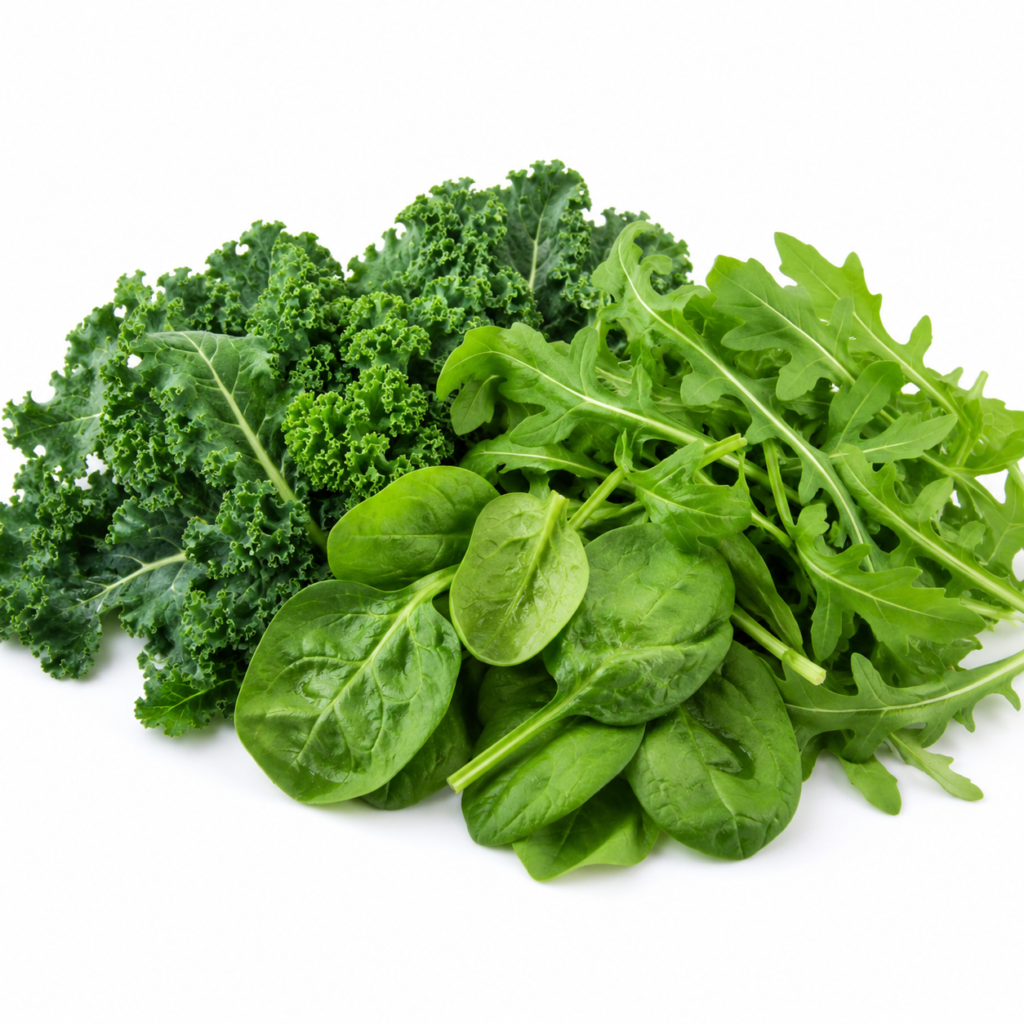
Leafy greens
Spinach, kale, rocket, and spring greens provide lutein and zeaxanthin, carotenoids associated with eye health.
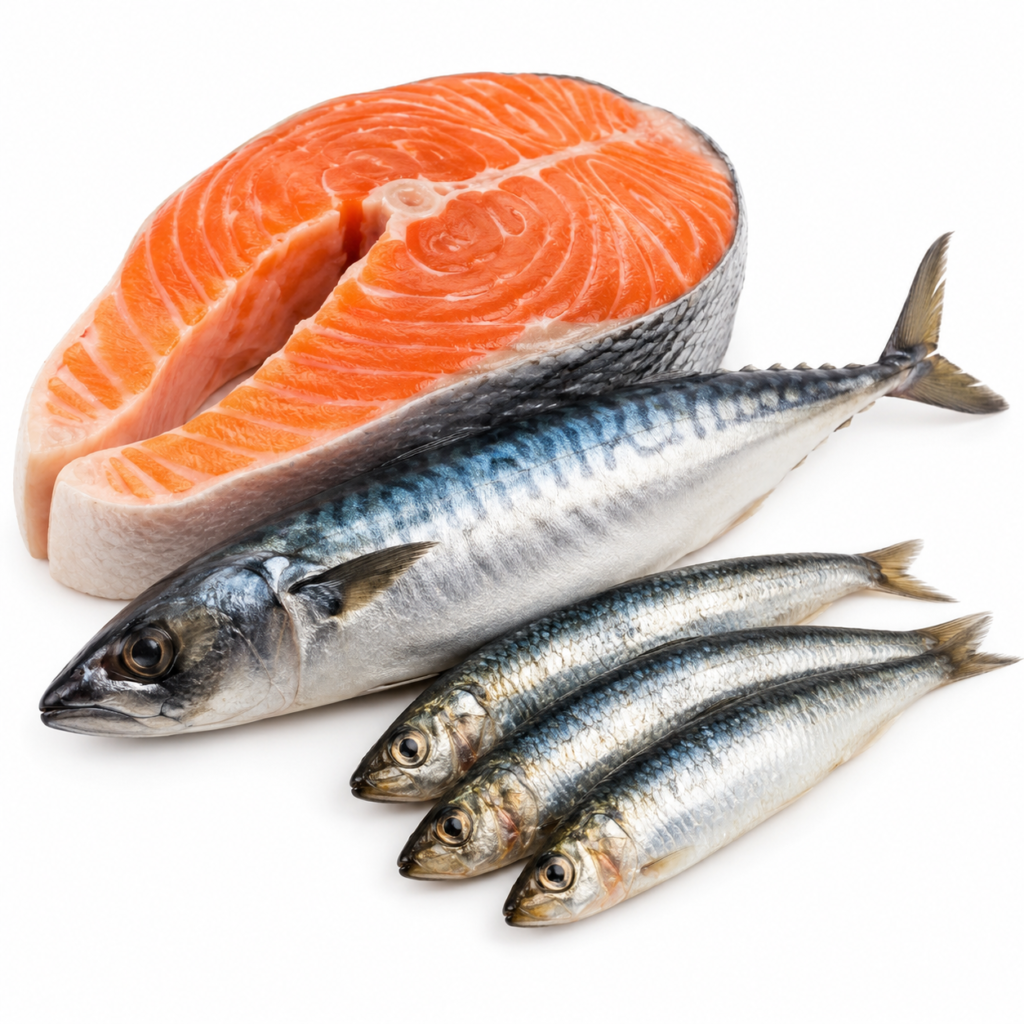
Oily Fish
Salmon, sardines, mackerel, and trout provide omega-3 fats that support general health and are often included in eye-health dietary guidance.
Orange & yellow vegetables
Carrots, sweet potatoes, squash, and peppers bring color and variety to your plate.
Eggs
Eggs are a practical, protein-rich food that can fit into quick breakfasts and lunches.

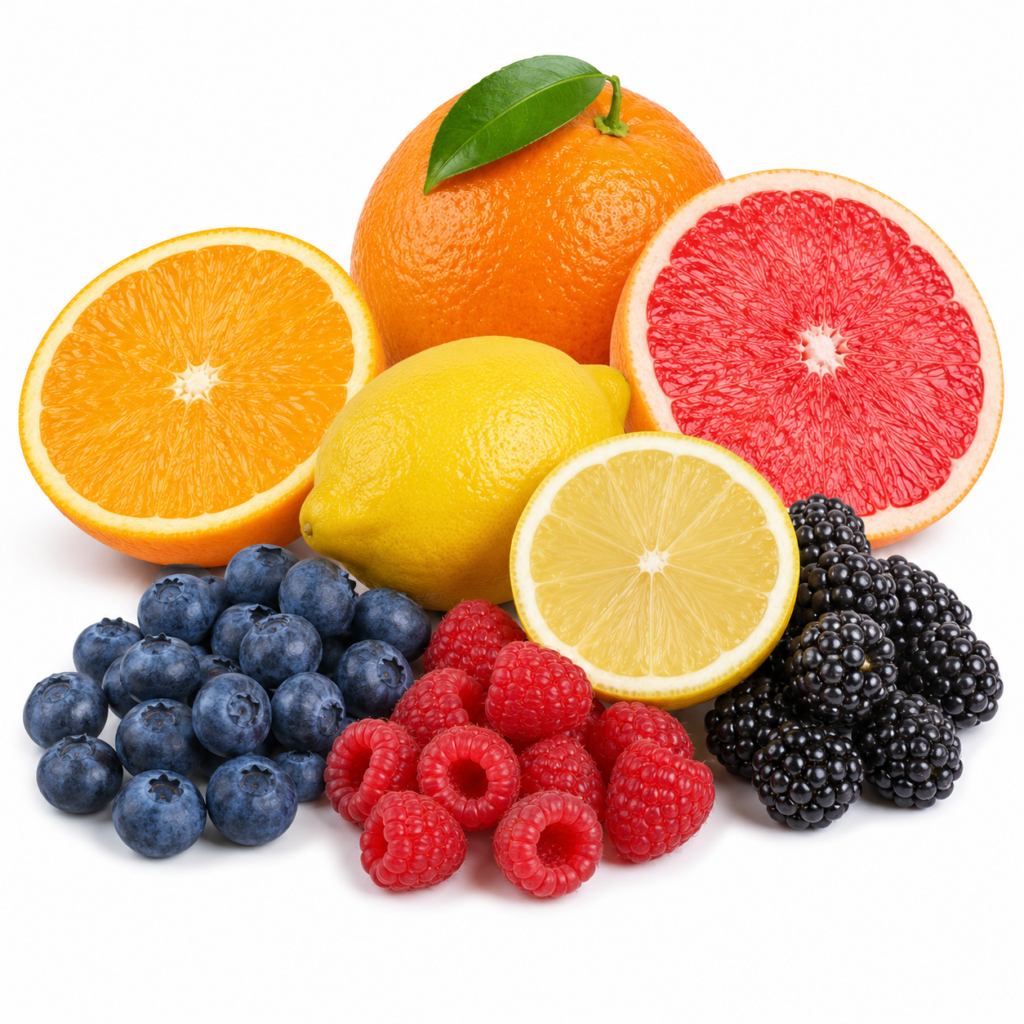
Citrus fruits and berries
Oranges, kiwi, strawberries, blueberries, and peppers provide vitamin C and other plant compounds.
Nuts and seeds
Almonds, walnuts, sunflower seeds, chia seeds, and flaxseeds can be added to breakfasts, salads, or snacks.
A simple eye-supportive lunch idea
Try this professional-friendly plate:
- Spinach or mixed greens
- Salmon, eggs, lentils, or chickpeas
- Roasted sweet potato or wholegrain bread
- Olive oil, avocado, nuts, or seeds for healthy fats
- Peppers, tomatoes, or berries on the side
This is not about eating perfectly. It is about giving your eyes consistent support through meals you can actually repeat.
Dry Eyes, Irritation, and the Office Environment
Dry, irritated eyes are common for screen-heavy professionals. Air-conditioned rooms, artificial lighting, glare, and long periods of reduced blinking can all make the eyes feel uncomfortable.
Dry eyes may cause stinging, burning, irritation, or discomfort, and they can be noticeable after looking at a screen for several hours or spending time in air-conditioned environments.
Practical ways to support eye comfort at work
Keep water nearby and drink regularly throughout the day
Blink fully when reading or concentrating
Take brief screen breaks before symptoms build up
Reduce glare from windows or overhead lights
Increase text size instead of leaning closer
Position your screen at a comfortable distance
Speak with an eye-care professional if dryness persists or worsens


What About Eye Health Supplements?
Supplement marketing can be confusing. Some products imply they can protect everyone’s vision, but the evidence is more specific than that.
The National Eye Institute states that AREDS2 supplements may help slow vision loss in people with intermediate age-related macular degeneration in one or both eyes, but they do not prevent early AMD from becoming intermediate AMD.
That means supplements should not be treated as a shortcut or a replacement for a healthy diet, eye exams, or professional advice.
At The Food Wisdom Hub, we help you ask better questions:
- Do I actually need this supplement?
- Is it appropriate for my age, health status, and eye history?
- Does it match evidence-based guidance?
- Could I improve my diet first?
- Should I speak to an eye-care professional before taking it?
Your Eye Health Meal Planning Made Simple
Knowing which foods support eye health is one thing. Fitting them into a busy week is another.
That is where The Food Wisdom Hub helps.
We turn eye-health nutrition into simple, realistic meal guidance for professionals who do not have time to research every ingredient or follow complicated plans.
We can help you build:
- Quick breakfasts that support steady energy and eye-friendly nutrients
- Work lunches that are colorful, balanced, and easy to prepare
- Snack ideas that reduce reliance on ultra-processed options
- Weekly food themes so you are not starting from scratch every Monday
- A practical shopping list built around eye-supportive foods
The goal is not perfection. The goal is consistency.
Small, repeated choices can help you feel more in control of your eye health, your workday comfort, and your long-term wellbeing.
When to Book an Eye Exam
Food and lifestyle habits are valuable, but they do not replace professional eye care.
Book an eye exam if you notice:
- Sudden vision changes
- New flashes, floaters, or loss of vision
- Dryness that does not improve
- Persistent eye pain or redness
- Headaches linked with vision changes
- Increasing difficulty reading, focusing, or seeing clearly
Regular eye tests can help detect early signs of eye disease as well as changes in vision. NHS England states that everyone should get their eyes tested at least every two years, although some people may need more frequent checks depending on their circumstances.
Frequently Asked Questions
1. Why do my eyes feel tired after computer work?
Your eyes may feel tired after prolonged screen use because they are focusing at a close distance for long periods. Screen work is also linked with symptoms such as eye discomfort, blurred vision, dry eyes, and headaches.
2. Is presbyopia normal after 40?
Yes. Presbyopia is a normal age-related change that makes it harder to see things clearly up close. Symptoms can include trouble seeing close objects, eye strain, and headaches.
3. How can I reduce dry eyes at work?
Start with regular screen breaks, complete blinking, hydration, reduced glare, and a comfortable screen setup. If dryness persists, worsens, or comes with pain or vision changes, book an eye exam.
Start Protecting Your Eyes With Food Wisdom
Your eyes do a lot for you every day. They deserve support that is simple, realistic, and grounded.
At The Food Wisdom Hub, we help professionals and adults protect their eyesight naturally as they age with practical nutrition and lifestyle guidance that fits real workdays.
You do not need to overhaul your entire life. You need a clear plan you can follow.